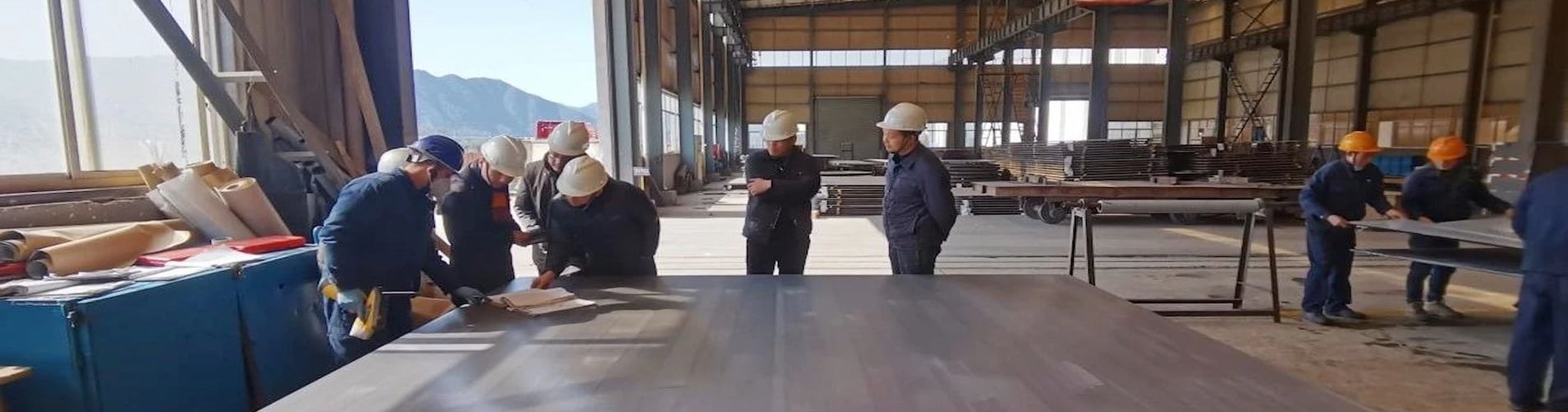
Selecting a suitable clad tube sheet is an important step in designing a reliable shell-and-tube heat exchanger. The tube sheet connects and supports the heat exchanger tubes while separating different fluid channels. In chemical processing, petrochemical, power generation, and other industrial applications, it may also need to withstand corrosive fluids, pressure fluctuations, and demanding operating temperatures.
For equipment manufacturers and industrial buyers, specifying a clad tube sheet involves more than choosing a metal grade and overall thickness. The base material, cladding material, bonding method, tube hole arrangement, machining tolerances, and inspection requirements all influence the final product's performance. A clear technical specification helps manufacturers produce tube sheets that meet project requirements while avoiding unnecessary material and processing costs.
NBSM specializes in metal composite materials, including titanium-steel and nickel-alloy-steel clad plates, as well as customized solutions for industrial equipment. Understanding the following purchasing requirements can help buyers prepare a more complete inquiry for a corrosion-resistant clad tube sheet for heat exchangers.
Before selecting a clad tube sheet, buyers should understand the actual operating environment of the heat exchanger. Different process fluids can create different corrosion risks, and the material suitable for one application may not perform equally well in another.
Important operating parameters include:
For example, a heat exchanger handling chloride-containing fluids may require a corrosion-resistant titanium or nickel-alloy cladding layer, depending on the actual chemical environment and temperature. Other applications may be adequately served by stainless steel cladding. The final material selection should be verified against the process conditions rather than based on general corrosion resistance alone.
A clad tube sheet combines a corrosion-resistant metal layer with a structural base material. The cladding protects the surface exposed to the process medium, while the base material provides the mechanical strength required by the equipment design.
This composite structure allows manufacturers to use expensive corrosion-resistant alloys only where they are needed instead of manufacturing the entire tube sheet from solid specialty metal. For large industrial heat exchangers, this can be an effective way to balance material performance and project cost.
Common material combinations include:
Buyers should specify the exact grade of both the cladding and base materials. For titanium cladding, this may include commercially pure titanium grades such as Grade 1 or Grade 2, depending on the project. Nickel-based materials may include Alloy 625, Alloy 825, or other suitable grades after corrosion compatibility has been evaluated.
NBSM provides customized metal composite solutions, including titanium stainless steel clad plates and nickel-based alloy steel clad materials. These material options can help buyers discuss suitable combinations for different industrial equipment applications.
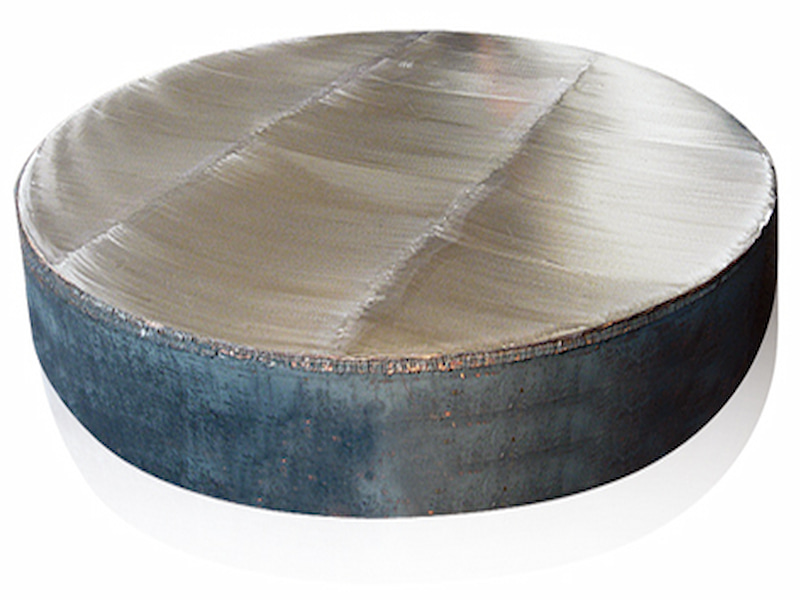
Cladding thickness is an important part of the tube sheet specification. If the corrosion-resistant layer is too thin for the intended service conditions, it may not provide the required corrosion allowance or remain suitable after machining. On the other hand, specifying an unnecessarily thick cladding layer can increase material and manufacturing costs.
The required thickness should be determined by considering the process medium, corrosion data, fabrication requirements, applicable design codes, and the amount of material that may be removed during subsequent machining.
A complete dimensional specification should include:
For circular tube sheets, the outside diameter and thickness must be consistent with the exchanger design. Buyers should also clarify whether the supplied product is a bonded clad plate blank or a fully machined tube sheet. These are different manufacturing stages and should not be confused when requesting quotations.
Providing a detailed engineering drawing is the most effective way to communicate these requirements. If the project is still in its design stage, preliminary dimensions and expected operating conditions can help the manufacturer evaluate production feasibility.
Tube hole machining is one of the most important considerations when specifying a heat exchanger tube sheet. The position, diameter, pitch, and arrangement of the holes directly affect tube installation, heat exchanger performance, and the reliability of tube-to-tubesheet connections.
Buyers should provide the following information:
Another important issue is the condition of the corrosion-resistant layer after drilling. Machining through the cladding can expose the underlying base material along the tube hole surface. Buyers should therefore specify whether the hole bores require protective weld overlay, lining, or another corrosion protection solution according to the equipment design.
Precision machining is essential because variations in hole dimensions or positioning can affect tube installation and sealing performance. Manufacturers should confirm the required machining tolerances, inspection methods, and surface finish before production starts.
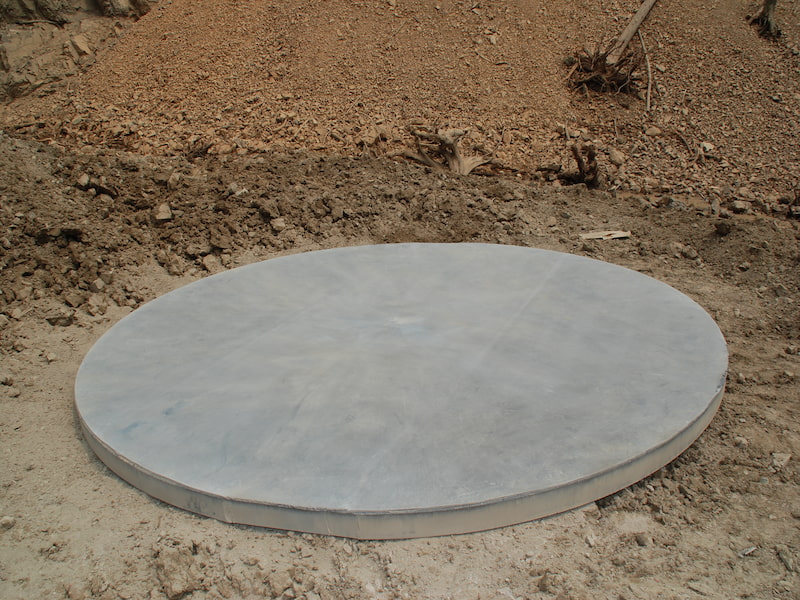
The bonding quality between the cladding layer and the base material is critical to the reliability of a clad tube sheet. A weak or defective interface may create problems during forming, machining, fabrication, or long-term operation under thermal and mechanical loads.
Explosive bonding is an established manufacturing method for producing metal clad plates. During this process, a controlled explosive force drives two metal surfaces together at high velocity, creating a metallurgical bond at the interface. The process is suitable for combinations of metals that can be difficult to join using conventional fusion welding methods.
Depending on the materials and project specifications, other bonding processes, such as hot rolling, may also be considered. The appropriate process should be selected according to material compatibility, product dimensions, required bond properties, and applicable standards.
When purchasing explosion-bonded clad tube sheets, buyers should confirm:
NBSM provides explosive bonding technology for titanium-steel and other metal composite materials. Its manufacturing services also include non-destructive testing and related processing support. Buyers can review the company's metal cladding and precision machining services when evaluating a supplier for customized heat exchanger components.
Inspection requirements should be discussed before production rather than added after the tube sheet has been manufactured. Different projects may follow different pressure vessel codes, material standards, and customer-specific quality requirements. A clear inspection plan helps ensure that the finished product can be evaluated against the correct acceptance criteria.
Common inspection and testing methods include:
Buyers should also identify the applicable material and equipment standards, such as ASME, ASTM, or project-specific requirements. For clad products, the relevant standards depend on the material combination and manufacturing method. The purchase specification should identify the exact standard and edition rather than simply stating that the product must meet international standards.
Documentation requirements may include material test certificates, inspection reports, bonding test results, dimensional inspection records, heat treatment records where applicable, and material traceability documents. For critical industrial equipment, these records are important for quality verification and future maintenance.
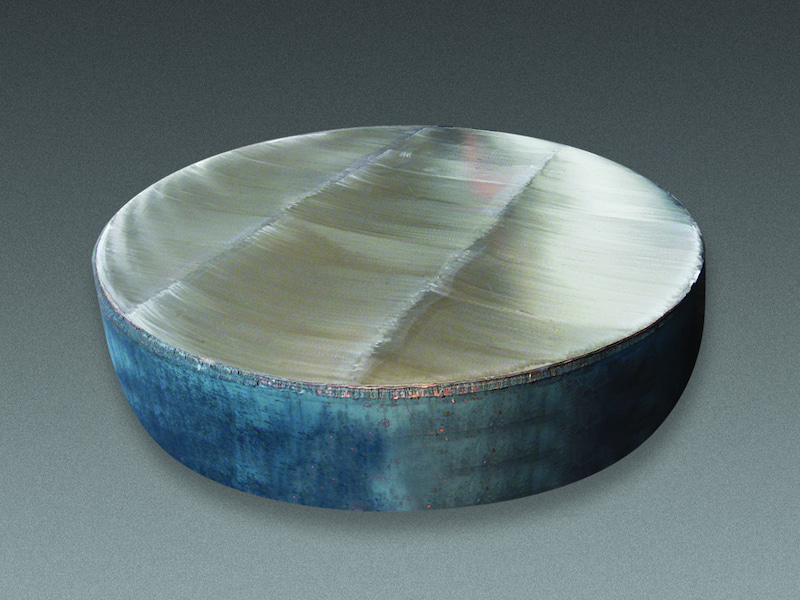
A qualified clad tube sheet manufacturer should be able to understand both the material requirements and the final equipment application. Producing a composite plate is only one part of the process. Material preparation, bonding, cutting, forming, machining, inspection, and documentation may all be necessary before the product is ready for installation.
When comparing suppliers, buyers should consider the following factors:
NBSM focuses on high-performance metal composite materials and customized titanium alloy products. Its product range includes clad tube sheets, titanium-steel clad plates, nickel-based alloy steel clad plates, and other industrial metal solutions. The company also provides cutting, forming, welding, heat treatment, CNC machining, and non-destructive testing services according to project requirements.
For projects requiring nickel-based corrosion-resistant materials, buyers can also explore nickel and nickel-base alloy steel clad plates as a potential material solution, subject to process compatibility and engineering evaluation.
A detailed inquiry allows the manufacturer to evaluate the project more accurately and prepare a quotation based on the actual production requirements. Incomplete information may result in repeated technical discussions, incorrect material assumptions, or quotation differences between suppliers.
Before sending an inquiry, buyers should prepare the following information:
If available, buyers should attach engineering drawings, equipment specifications, and relevant project standards. A detailed drawing is particularly useful for customized tube sheets because it allows the manufacturer to review the geometry, hole arrangement, and machining requirements before production.
Nanjing Baotai Special Materials Co., Ltd. (NBSM) specializes in metal composite materials, titanium products, and customized special metal solutions. The company serves industrial sectors including chemical processing, oil and gas, power generation, marine engineering, and other applications where material performance and manufacturing reliability are important.
For heat exchanger projects, NBSM offers corrosion-resistant clad tube sheet solutions designed around customer material and dimensional requirements. Its metal composite manufacturing capabilities include explosive bonding of titanium and other corrosion-resistant alloys with carbon steel or low-alloy steel substrates.
The company also provides related machining and quality inspection services, helping customers coordinate material production and subsequent processing. Whether a project requires titanium-steel, nickel-alloy-steel, or stainless-steel composite materials, the technical requirements can be evaluated according to the actual operating environment and equipment design.
If you are sourcing clad tube sheets for industrial heat exchangers, you can visit the NBSM clad plate product category or contact the technical team with your drawings and specifications to discuss a suitable customized solution.
What is a clad tube sheet used for in a heat exchanger?
A clad tube sheet supports and secures the heat exchanger tubes while separating different fluid channels. Its corrosion-resistant cladding protects the surface exposed to aggressive process media, while the structural base material provides the required mechanical strength.
Which materials are commonly used for clad tube sheets?
Common combinations include titanium and carbon steel, nickel-based alloys and carbon steel, and stainless steel and carbon steel. The appropriate combination depends on the process medium, temperature, pressure, corrosion conditions, and equipment design.
How thick should the cladding layer be on a tube sheet?
There is no universal cladding thickness for every heat exchanger. The required thickness depends on the selected material, corrosion conditions, machining allowance, design requirements, and applicable standards. Buyers should confirm the final thickness with the equipment designer and manufacturer.
Why is explosive bonding used for metal clad tube sheets?
Explosive bonding creates a metallurgical connection between different metal layers through a controlled high-velocity impact process. It is widely used for producing composite plates that combine corrosion-resistant alloys with structural steel substrates.
What inspections are required for clad tube sheets?
Common inspection methods include ultrasonic testing, shear testing, bend testing, material identification, and dimensional inspection. Additional testing may be required depending on the applicable standards and customer specifications.
Can clad tube sheets be customized according to engineering drawings?
Yes. Clad tube sheets can be manufactured according to project-specific material combinations, thicknesses, dimensions, and machining requirements. Buyers should provide detailed drawings and operating conditions to help the manufacturer evaluate production feasibility.
What should buyers consider when comparing clad tube sheet suppliers?
Buyers should compare material expertise, bonding technology, production capacity, machining accuracy, inspection capabilities, material traceability, and experience with industrial heat exchanger applications. A supplier capable of coordinating multiple manufacturing stages can also simplify project management.
Specifying a clad tube sheet requires careful consideration of material selection, cladding thickness, tube hole geometry, bonding quality, machining tolerances, and inspection requirements. Providing these details before ordering helps manufacturers understand the application and deliver a product that meets the heat exchanger's technical requirements.
NBSM provides customized metal composite materials and related manufacturing services for industrial applications. Contact the team with your engineering drawings, material requirements, and project specifications to discuss a suitable clad tube sheet solution for your heat exchanger.
Friendly Link :
diyiye.com
Copyright @ 2026 Nanjing Baotai Special Materials Co., Ltd. All Rights Reserved.  Network Supported