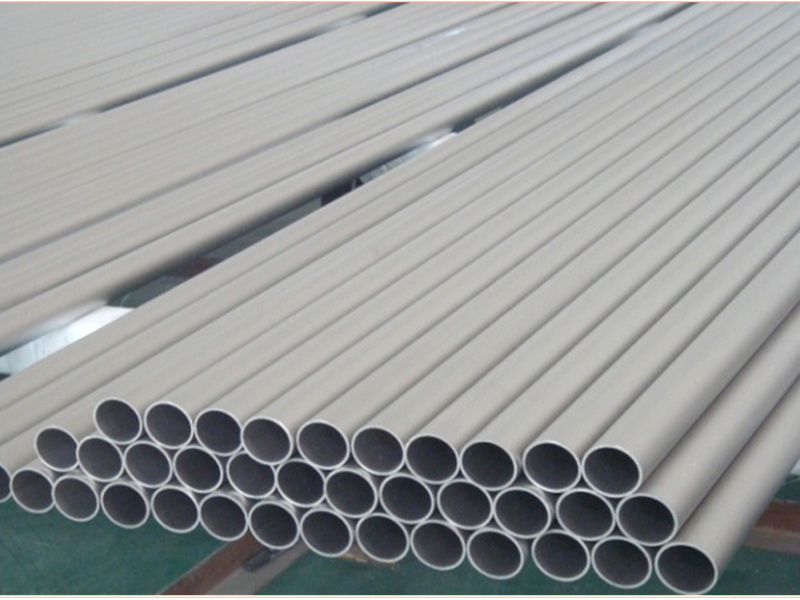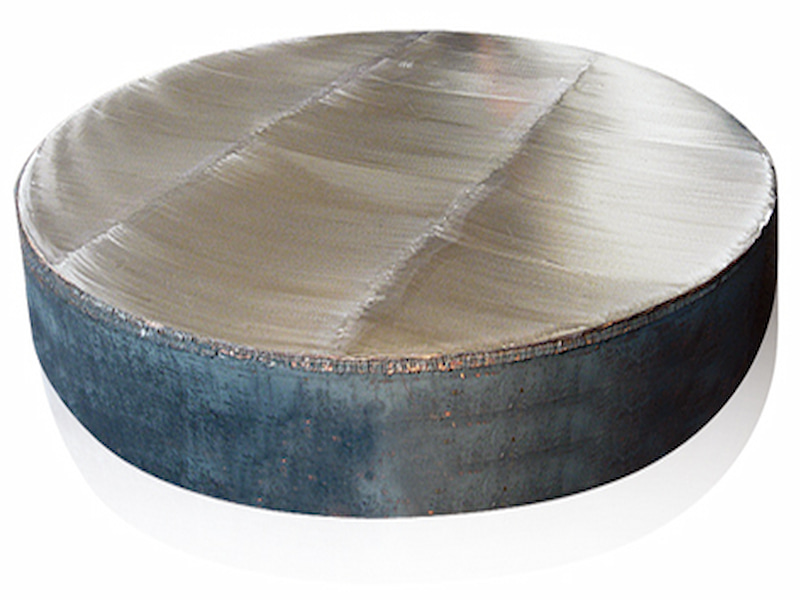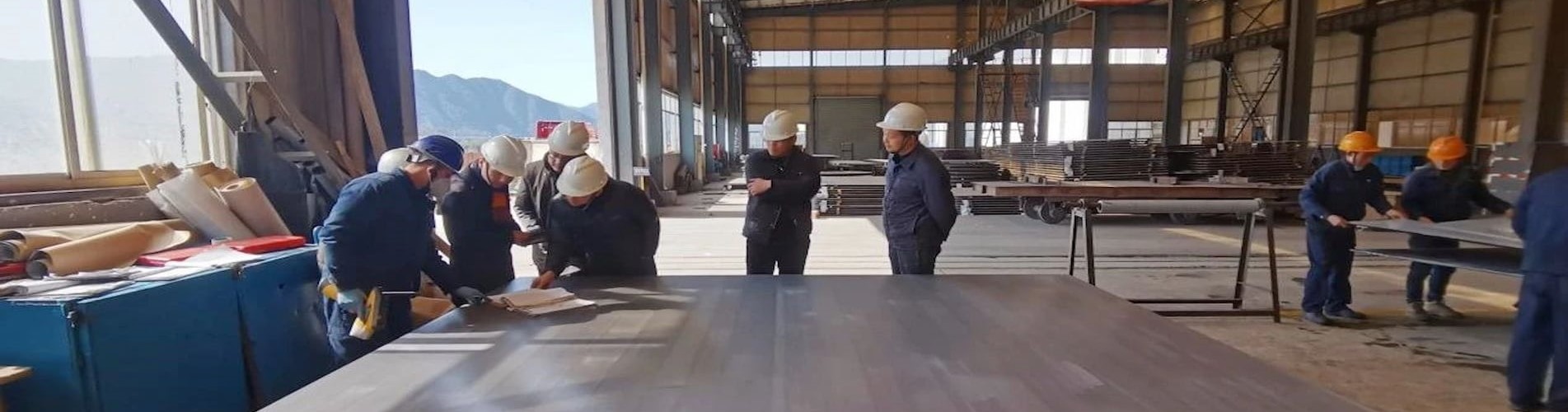
Against the backdrop of increasingly stringent requirements for equipment corrosion resistance and stability in high-end chemical and biopharmaceutical industries, composite plates made of TA2G industrial-grade titanium and Q345R vessel steel are emerging as the ideal material choice for critical process equipment in harsh environments, thanks to their superior corrosion resistance, excellent structural strength, and cost-effectiveness. However, the overall manufacturing process for large, complex equipment still faces a series of technical challenges: the titanium cladding is highly chemically active and reacts readily with oxygen, nitrogen, and hydrogen at high temperatures, necessitating continuous protection under high-purity inert gas throughout the process; the forming and welding of composite plates must balance the synergistic performance of the base metal’s strength and the cladding’s corrosion resistance; and the large-scale, thin-walled nature of the components, coupled with stringent sealing requirements, pose severe challenges for forming precision, deformation control, and non-destructive testing.
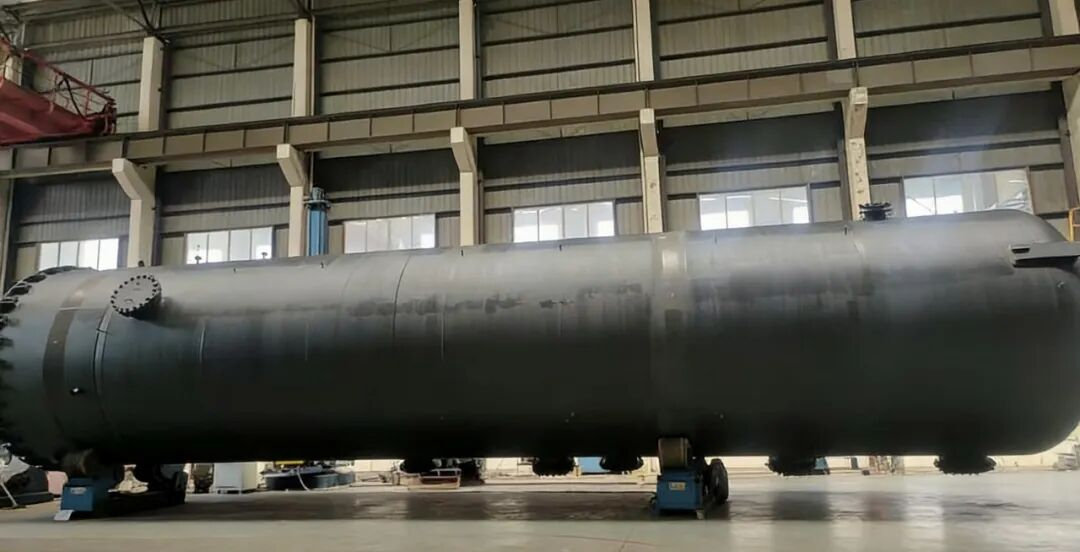
Forming of Large Thin-Walled Structures and Control of Welding Distortion
Equipment cylinders and heads are large-diameter, thin-walled components; composite plates are highly susceptible to buckling deformation under welding heat input. The concentrated distribution of multiple longitudinal and circumferential welds, combined with the welding of internal supports and accessories, results in complex superimposed welding stresses. If not properly controlled, this can easily lead to dimensional deviations, loss of roundness, or even wave-like deformation, directly affecting the assembly of internal components and operational stability. During the forming stage, precise plate rolling and rounding processes are employed to strictly control forming accuracy. During welding, deformation of the cylinder is effectively suppressed by optimizing the welding sequence and rationally distributing heat input, ensuring that overall dimensions meet design requirements.
Quality Control for Composite Plate Welding
Different welding processes must be used for the TA2G overlay and the Q345R base plate. Overlay welding is extremely sensitive to gas shielding; even slight deficiencies in shielding can lead to porosity and oxide inclusions. During base plate welding, care must be taken to prevent heat affect or contamination of the overlay. In thick-section multi-pass welding, inadequate control of interpass temperature and cleanliness can easily result in hidden defects such as lack of fusion and slag inclusions. Submerged arc welding is used for the base metal to ensure deposition efficiency and quality, while high-purity argon gas shielded welding is employed for the overlay. Interpass temperature and groove cleanliness are strictly controlled. Every circumferential and longitudinal weld undergoes multiple inspections, including visual inspection, dye penetrant testing, and radiographic testing, to ensure the high purity and mechanical properties of the weld metal.
High Sealing Requirements and Prevention of Welding Defects
As pressure vessels, all pressure-bearing welds must pass 100% non-destructive testing and must be free of any through-wall defects. The inspection of clad plate welds must account for both the base metal and the cladding, placing higher demands on inspection methods and sensitivity.
Complex Assembly and Precision Assurance
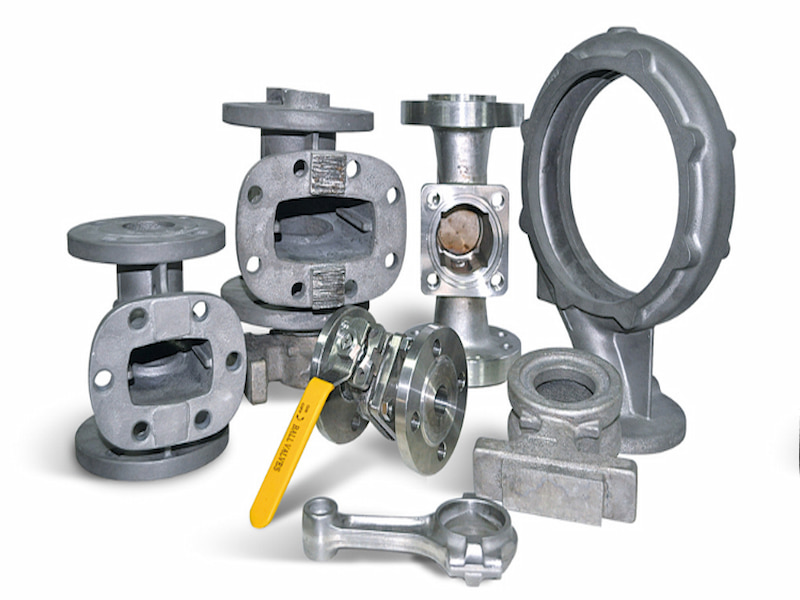
The equipment comprises numerous non-standard components, including nozzles, flanges, baffles, and supports, fabricated from TA2G pure titanium, carbon steel, and composite plates. These components require extensive fillet and load-bearing welds to connect them to the vessel shell. High precision is required for component alignment, as shrinkage and deformation caused by the heat of welding directly affect the final assembly dimensions and functionality. The project team simulated welding deformation trends in advance and scientifically allocated shrinkage allowances. During assembly, components were precisely positioned and welded in stages, ensuring accurate positioning of all internal components and reliable connections while controlling deformation.
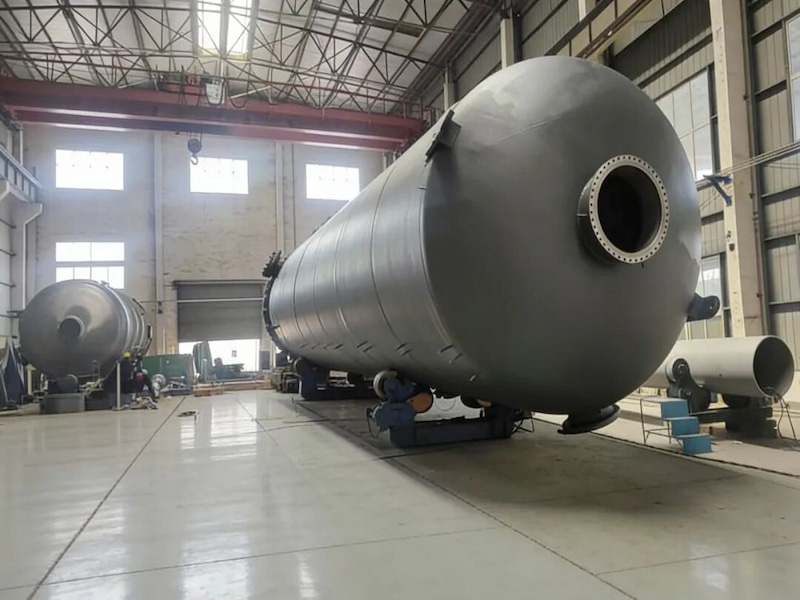
We understand that what we deliver is not merely a piece of equipment, but the confidence and assurance that will support the safe, stable, and optimal operation of our clients’ projects.
With continuous improvements in manufacturing processes and the accumulation of engineering data, vessels made of titanium-steel composite plates are rapidly gaining traction in high-value-added applications due to their exceptional corrosion resistance, structural efficiency, and cost-effectiveness. Looking ahead, our company will continue to uphold the spirit of craftsmanship and pursue excellence, making forward-looking investments in areas such as intelligent forming and high-efficiency welding. We are committed to providing our customers with comprehensive solutions for composite-plate equipment that offer lower total lifecycle costs and enhanced reliability.
Friendly Link :
diyiye.com
Copyright @ 2026 Nanjing Baotai Special Materials Co., Ltd. All Rights Reserved.  Network Supported