Q1: How can the quality of the composite layer be ensured?
A: Rigorous non-destructive testing (NDT) must be performed.
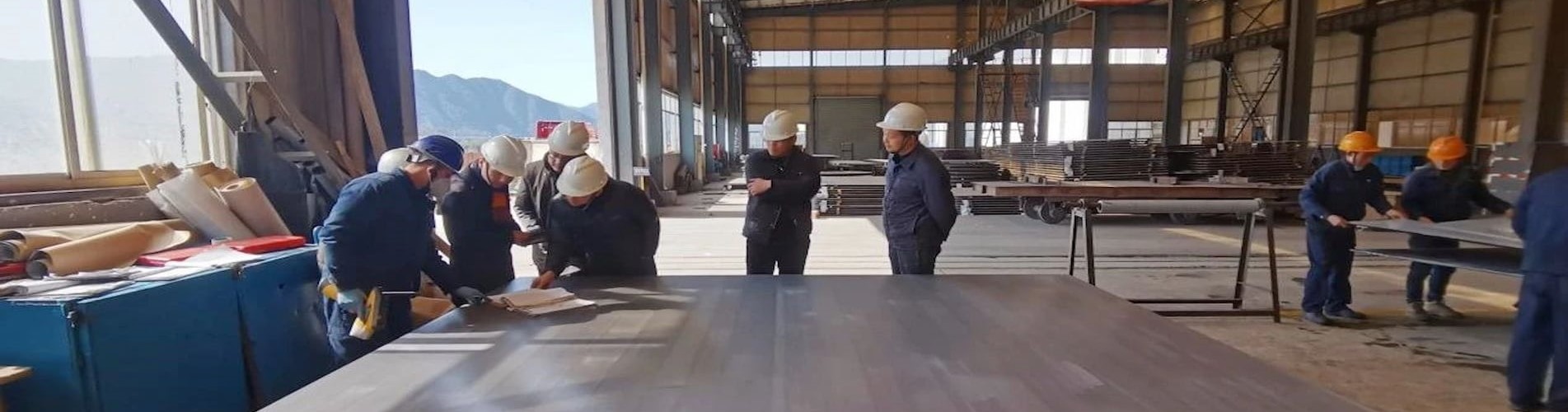
Ultrasonic testing (UT): This is the primary method used to detect adhesive defects, delaminations, and inclusions at the composite interface across the entire plate surface.
Visual inspection: Checks the surface quality of both the titanium and steel sides.
Additional tests (if specified): Shear strength test, sample bending test, or microstructure analysis of the composite area.
Q2: What standards govern titanium-steel composite panels?
A: Major international standards include:
ASTM B898 (Standard Specification for Reactive and Refractory Metal Composite Sheets) and B898/B898M (Standard Specification for Titanium-Steel Composite Sheets).
ASME: SA-263, SA-264, and SA-265 (specifications for corrosion-resistant chromium and chromium-nickel steel composite plates, stainless steel composite plates, and nickel and nickel alloy composite plates — titanium composite plates are often referenced through B898). The ASME Boiler and Pressure Vessel Code, Parts II and IX, are also critical for pressure vessel fabrication.
EN standards include EN ISO 23277 (non-destructive testing of welds), EN 10002 (tensile testing), and EN 10204 (inspection documents).
Q3: What thicknesses are usually available?
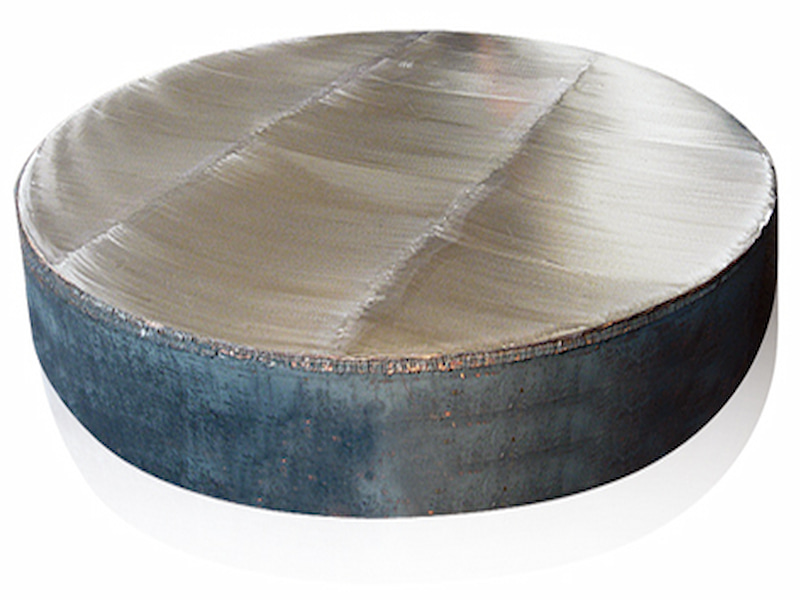
A: Titanium composite layer thicknesses typically range from 1.5 mm (0.06 in.) to 6 mm (0.24 in.) or greater depending on the severity of corrosion and the design life. Steel backing thicknesses range from 6 mm (0.24 in.) to over 100 mm (4 in.), depending on structural requirements. The total thickness of the composite plate is the sum of the two layer thicknesses.
Q4: How are titanium-steel composite panels handled and fabricated?
A: Key considerations:
Protect titanium surfaces to prevent scratches, gouges, and contamination, especially from iron or steel particles, as these can lead to corrosion. Use protective film and specialized titanium tools, and clean the work area.
Material isolation: Keep titanium surfaces away from carbon steel grinding dust, welding spatter, and tools.
Cutting: Use methods suitable for both metals, such as plasma cutting (make sure the plasma gas used for titanium is clean), water jet cutting, or machining. Avoid methods that generate excessive heat or pollution.
Forming: Use caution when using standard methods such as rolling and pressing, and be aware of potential differences in rebound. Avoid damaging the bonding layer or the surface of the titanium alloy. Sharp bends require special attention.
Cleanliness: Maintain cleanliness throughout the manufacturing process to ensure corrosion resistance.
Q5: How are maintenance and inspections performed during use?
A: Perform regular visual inspections. Check the titanium surface for mechanical damage.
Avoid iron contamination. Avoid contact with carbon steel tools or debris during maintenance.
Repair: Damaged titanium alloy areas can usually be repaired using a qualified overlay welding process with titanium alloy.
Monitoring: For critical equipment, periodic ultrasonic testing (UT) of the bonding interface is recommended.
Friendly Link :
diyiye.com
Copyright @ 2026 Nanjing Baotai Special Materials Co., Ltd. All Rights Reserved.  Network Supported