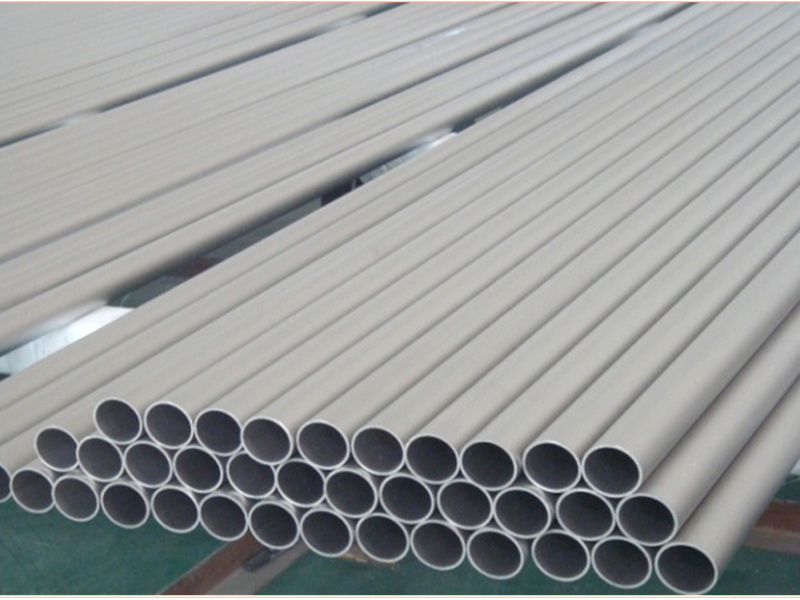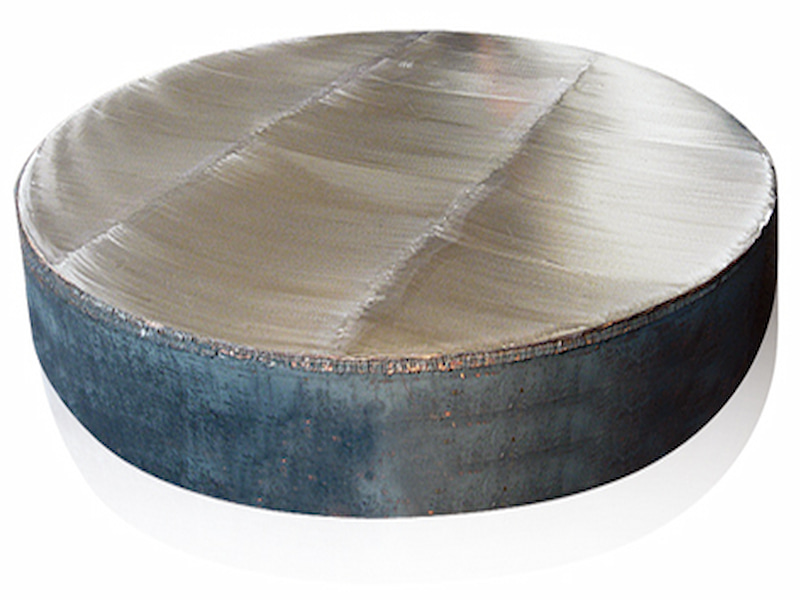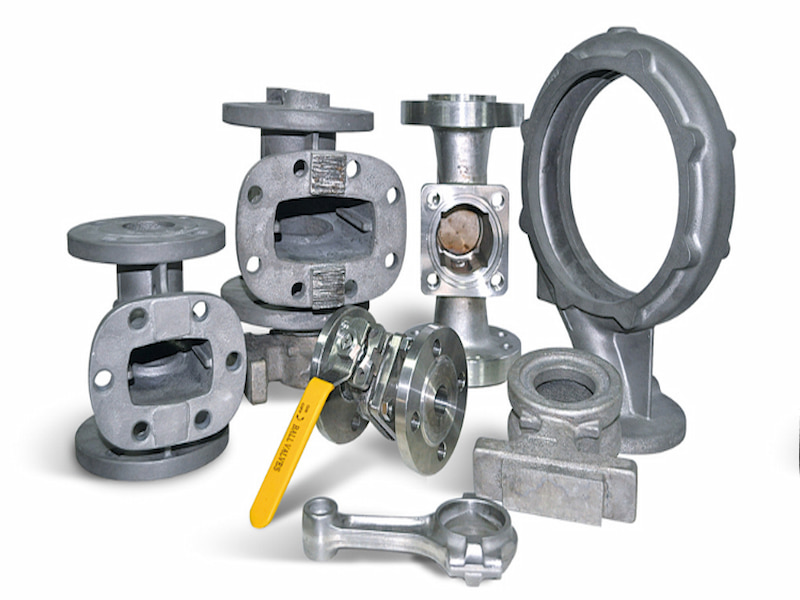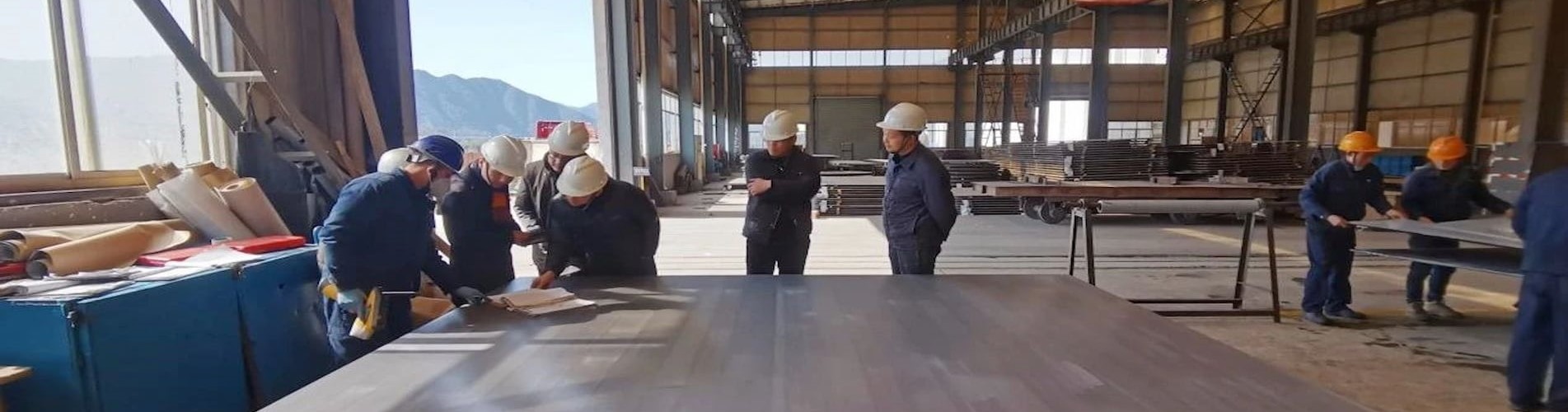
In industries like chemicals, biopharmaceuticals and new energy materials, there are stricter rules about how well equipment can resist rust and stay stable. TA2G industrially pure titanium is a great choice for equipment that works in tough conditions because it does not rust easily, it is easy to weld, and it is strong.
However, there are still some problems with using TA2G pure titanium to make large, complex chemical equipment:
First, titanium reacts quickly with other substances; at high temperatures, it reacts easily with elements such as oxygen, nitrogen, and hydrogen. This means that welding and hot-forming processes must be done completely in a protective atmosphere of high-purity inert gas. If this is not done, the material could become weaker and its properties could be damaged.
Second, such equipment typically has complex internal structures, large dimensions with thin walls, and strict sealing requirements. This means that forming, precision, controlling welding-induced deformation and non-destructive testing procedures must all be done very precisely.
Thirdly, the way chemicals are made often involves the combined effect of pressure and temperature changes with corrosive materials. This means that the equipment must be very strong and reliable as it is made.
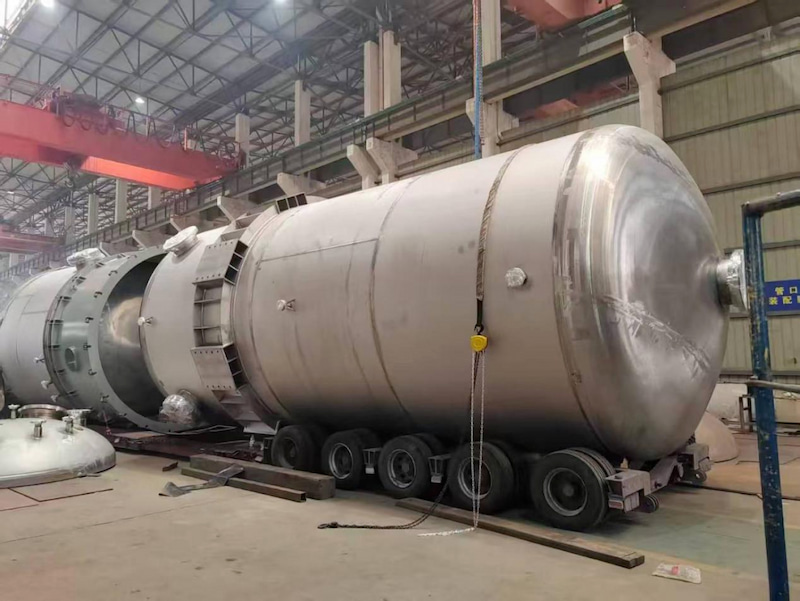
Recently, Nanjing Baotai successfully made and delivered a large-scale TA2G pure titanium chemical pressure vessel. This equipment is 4,000 mm wide and more than 10,400 mm tall. Its main body is made by welding together TA2G plates. The main problems when making the product were in the following areas: **Problems in making and welding large, thin-walled structures:** The shell and heads of the vessel are large-diameter, thin-walled components. The TA2G material is very likely to become unstable and deform when it is exposed to the heat used for welding. The welds, which are put in a lot of longitudinal and circumferential welds, as well as the welding of internal supports and accessories, result in a complex build-up of welding stresses. If not properly controlled, this can easily lead to problems with the size, shape, or even wave-like deformation. This can directly compromise the assembly of internal components and the operational stability of the equipment.
Challenges in High-Integrity Sealing and Welding Defect Control: As a pressure vessel, the unit must pass 100% non-destructive testing on all pressure-bearing welds, and these welds must not have any through-wall defects. When welding TA2G material, it is very important to use the right gas shielding. Even a small problem with the shielding can lead to defects such as porosity and oxide inclusions. When welding thick sections, it's important to control the temperature and cleanliness of the weld. Otherwise, you might end up with defects like lack of fusion and slag inclusions. This can lead to hidden problems that could harm the equipment in the long run. Problems with complex assembly and dimensional accuracy: The pressure vessel has lots of different parts, including nozzles, baffles and supports. All of these are made from TA2G material, and lots of welds are needed to connect them to the vessel shell. These parts need to be positioned very accurately. The heat from welding can make them shrink or change shape, which can affect how well they fit together and how well they work. The most difficult part of the assembly process is to control the deformation that happens when welding while making sure that all the internal components are put in place correctly and connected in a way that is reliable.
To deal with these challenges, our technical team tried out different materials and used computer simulations to create a detailed plan for making large-scale TA2G chemical equipment. During the forming stage, the application of precise rolling and rounding techniques, along with optimised welding sequences, effectively reduced shell deformation. During the welding process, we only used argon-shielded welding and closely monitored the temperature and cleanliness of the metal. This ensured that the weld metal was of very high purity and had excellent mechanical properties. Finally, during the assembly and inspection stages, we used methods such as radiographic testing (RT) and penetrant testing (PT) to achieve high-sensitivity, comprehensive detection of weld defects.
We successfully delivered and set up a large-scale TA2G pure titanium chemical pressure vessel. This is a big step forward for Nanjing Baotai in the field of independent design and manufacturing of high-end titanium chemical equipment. Manufacturing processes are getting better all the time, and there is a lot of information about engineering. Because of this, titanium vessels are being used more and more in important areas like pharmaceutical synthesis, chemical engineering, and handling very pure materials. They are special because they don't rust, they are very pure, and they are very efficient. In the future, we will carry on working together to combine advanced material processes and chemical equipment technologies. We are committed to providing clients with the best titanium equipment solutions. These solutions are good for the environment, are reliable, and last a long time. They will help to transform and upgrade my country's process industries.
Friendly Link :
diyiye.com
Copyright @ 2026 Nanjing Baotai Special Materials Co., Ltd. All Rights Reserved.  Network Supported